TCCMS Faculty & Affiliates
Advancing Interdisciplinary Research in Child Maltreatment
The Translational Center for Child Maltreatment Studies (TCCMS) at Penn State University brings together a diverse team of experts dedicated to preventing child maltreatment and improving outcomes for affected children and families. Below are brief profiles of our core faculty and partners:
PRINCIPAL INVESTIGATORS

Christian M. Connell, Ph.D.
Ken Young Family Professor for Healthy Children, Human Development and Family Studies; Director, Child Maltreatment Solutions Network
Dr. Connell is MPI/PD of the TCCMS and its Administrative and Dissemination and Outreach Cores. Dr. Connell's research focuses on the experiences of youth who have been maltreated and those involved in child welfare and other child-serving systems, including mental health and juvenile justice. As a clinical-community psychologist, he engages system leaders, policymakers, and practitioners in research to address critical issues, evaluate the effects of programs and policies, and promote effective system change.

Sarah Font, Ph.D.
Associate Professor of Sociology, Criminology, and Public Policy
Dr. Font is MPI of the TCCMS Dissemination and Outreach Core. Dr. Font's research focuses on child abuse and neglect, child protection, foster care, health and well-being, social policy, and state intervention. She is currently working on a project investigating the impact of foster care and specific experiences within foster care on the physical and mental health of children exposed to abuse or neglect.

Sheridan Miyamoto, Ph.D., FNP, RN, FAAN
Associate Professor of Nursing; Director and Principal Investigator, SAFE-T Center
Dr. Miyamoto is PI of the TCCMS SAFE-T Adolescent Study (Project 2). Dr. Miyamoto is an Associate Professor in the College of Nursing and faculty in the Child Maltreatment Solutions Network at Penn State. She is an expert in pediatric, adolescent, and adult sexual assault, and leads the Sexual Assault Forensic Examination Telehealth (SAFE-T) Center, a telehealth program to train rural nurses in assault exams.

Hannah M. C. Schreier, Ph.D.
Associate Professor, Biobehavioral Health
Dr. Schreier is PI of the TCCMS Child Health Study (Project 1). Dr. Schreier received training in health psychology and is currently an Associate Professor of Biobehavioral Health at Penn State. Her research examines how social and psychological factors influence physical health, particularly in children and adolescents, with a focus on understanding how early-life adversity impacts long-term health outcomes.
CO-INVESTIGATORS

Brian Allen, Ph.D.
Professor, Department of Pediatrics and Psychiatry and Behavioral Health
Dr. Allen is a leading expert at Penn State Health, dedicated to improving mental health care through research-backed interventions. He focuses on bridging science and practice to support individuals and families dealing with trauma and psychological challenges.
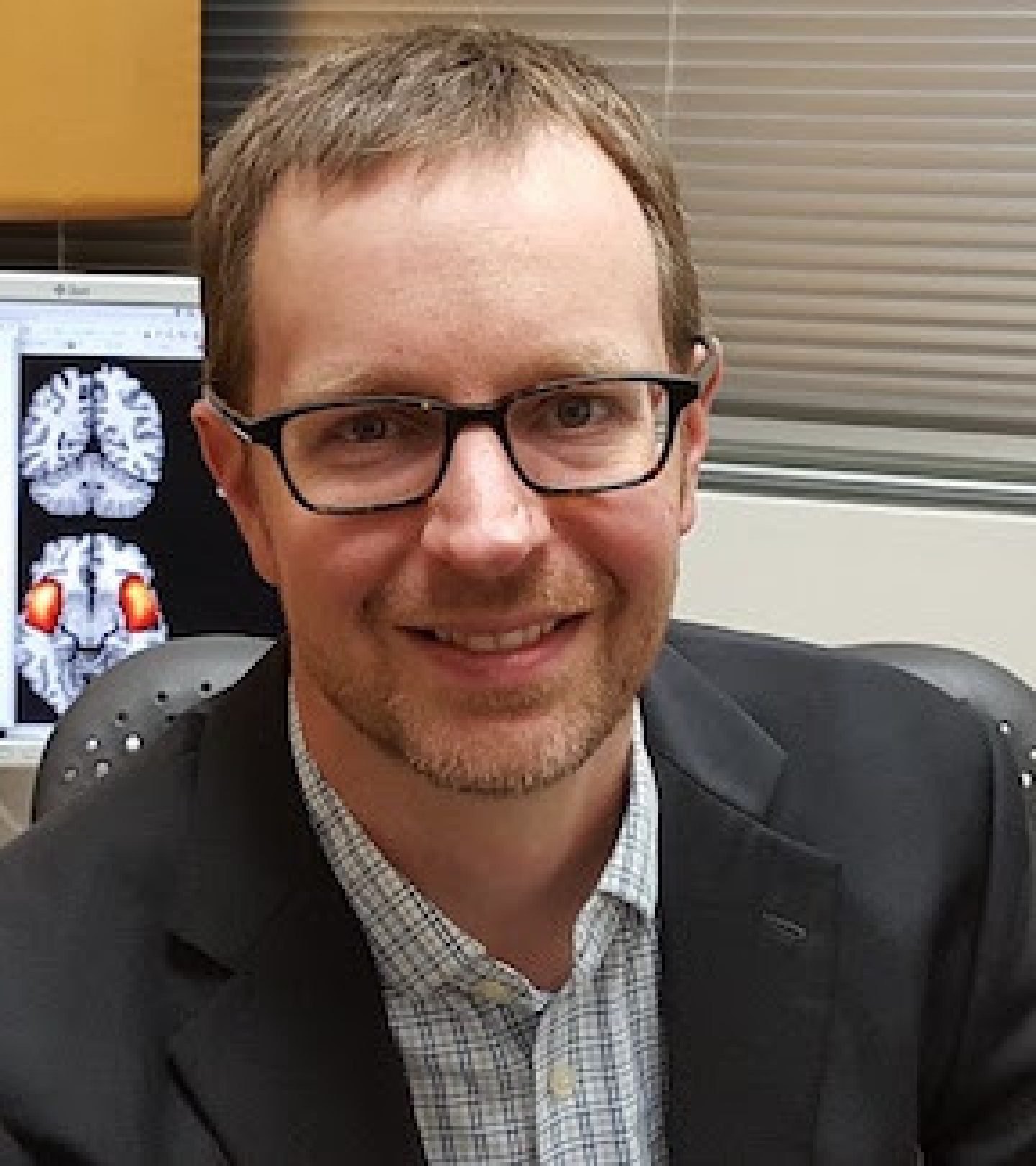
Eric Claus, Ph.D.
Associate Professor, Biobehavioral Health
Dr. Claus's research aims to identify neural and cognitive mechanisms that support behavior change in substance use disorders. He uses neuromodulation techniques to modify functioning in relevant circuits to promote positive behavioral outcomes.
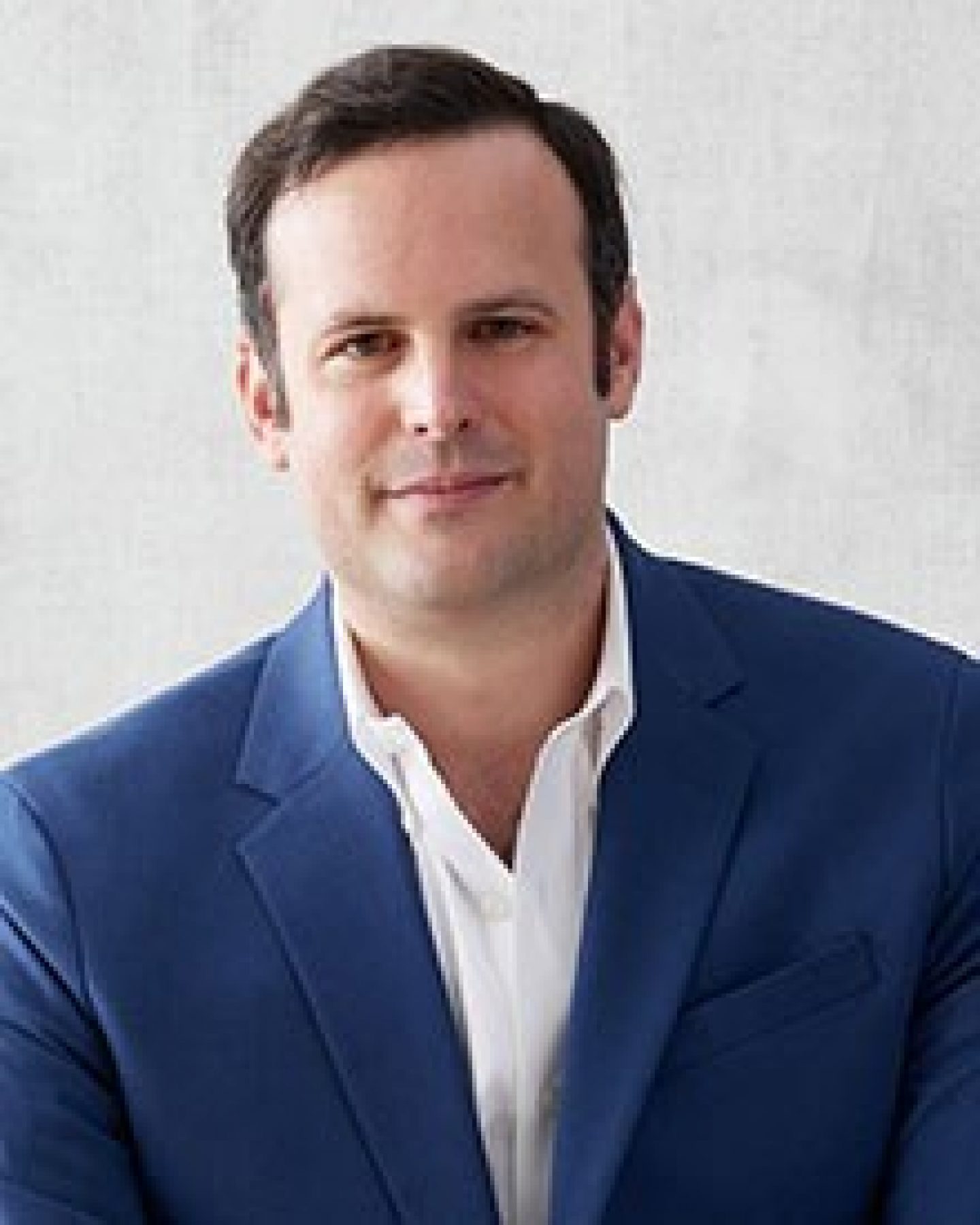
D. Max Crowley, Ph.D.
Professor, Human Development and Family Studies and Public Policy; Director, Edna Bennett Pierce Prevention Research Center
Dr. Crowley is a prevention scientist investigating how to optimize investments in healthy development and well-being. His work sits at the intersection of social policy, prevention science, and public finance, aiming to increase the use of cost-effective, evidence-based preventive strategies to improve the lives of children and families.

Zach Fisher, Ph.D.
Assistant Professor, Human Development and Family Studies
Dr. Fisher specializes in developing and implementing evidence-based strategies to advance mental health and substance use prevention. His research bridges theory and practice, driving impactful solutions that foster well-being across diverse populations.

Ezra G. Goldstein, Ph.D.
Assistant Professor, School of Public Policy, Georgia Institute of Technology
Dr. Goldstein is a microeconomist working on topics related to public and labor economics and child welfare policy. His current research focuses on how family structure affects childhood development and how formal institutions that interact with vulnerable children, such as the child welfare system, affect long-term outcomes such as mental health, criminal justice system involvement, and economic well-being.

Christine Heim, Ph.D.
Professor and Director of the Institute of Medical Psychology at Charité Universitätsmedizin Berlin; Professor of Biobehavioral Health
Dr. Heim brings a global perspective to mental health and stress-related disorders through her work at the Universität Berlin in Germany. Her research integrates neuroscience and prevention science to advance evidence-based strategies that foster resilience and well-being.

Damon Jones, Ph.D.
Research Professor, Edna Bennett Pierce Prevention Research Center
Dr. Jones is a leading expert in the economic evaluation of youth prevention programs and directs the Social Investment Optimizer within the Evidence-to-Impact Collaborative. He also serves as the associate training director for the Prevention and Methodology Training Program, which is funded by the National Institute on Drug Abuse.

Taylor Bishop Scott, Ph.D.
Associate Research Professor, Edna Bennett Pierce Prevention Research Center
Dr. Scott is a community psychologist situated at the intersection of research and policy. As Director of Research Translation in the Evidence-to-Impact Collaborative at Penn State University, she consults on various strategies for bridging research and policy and leads scholarly research that sheds light on the best practices for research translation, science communication, and facilitating productive interactions between researchers and policymakers. Shape
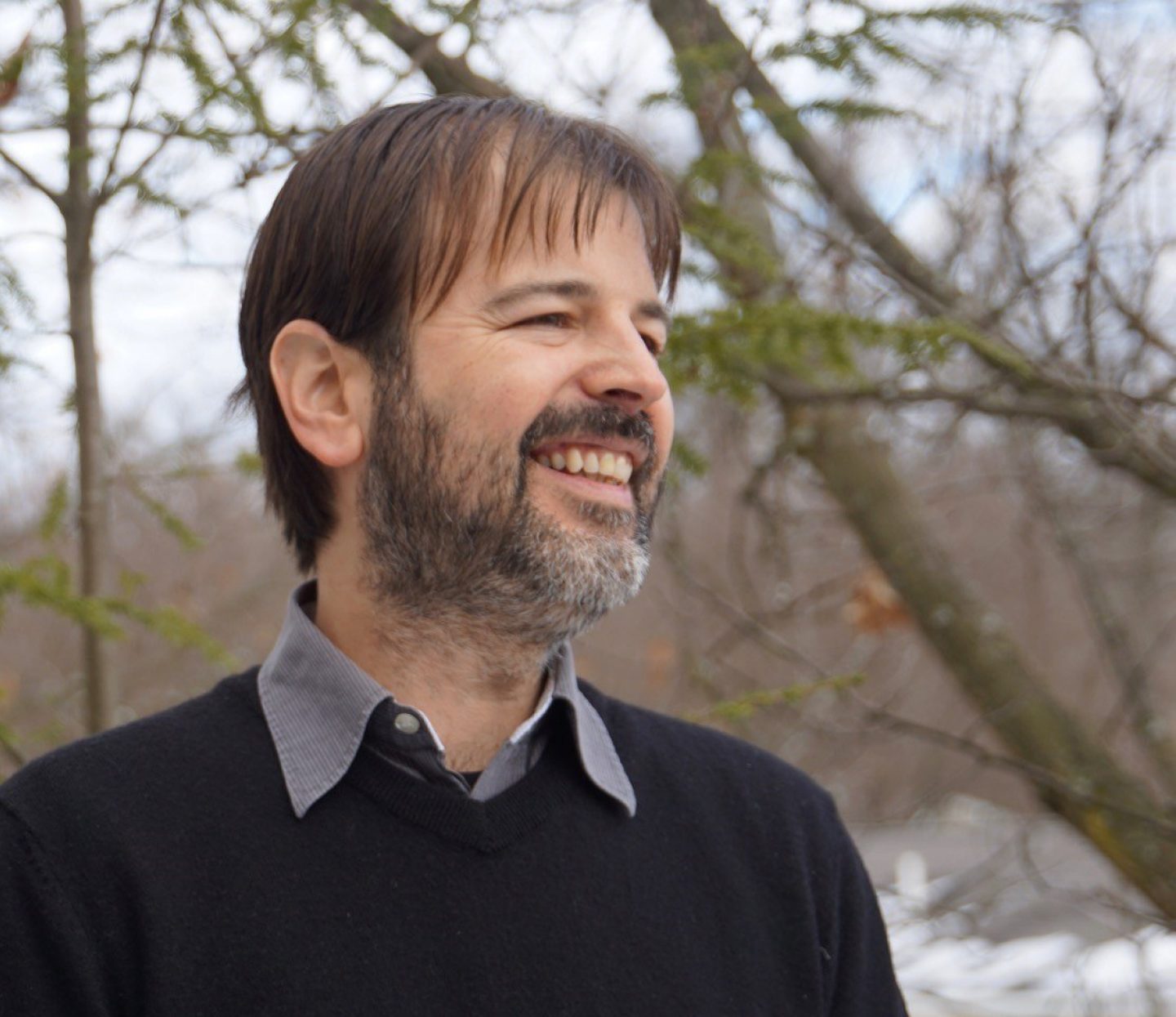
Idan Shalev, Ph.D.
Associate Professor, Biobehavioral Health
Dr. Shalev's research is focused on understanding how biopsychosocial processes across the lifespan, and at multiple time scales, influence variability in systemic dysfunction, aging, and disease decades later, through changes in biological aging.

Ryan Spotts, Ph.D.
Assistant Professor, Pediatrics
Dr. Spotts interests include health equality, social determinants of health, and community pediatrics. He is a general academic pediatrician and practices primarily at Penn State Health Medical Group and teaches residents and medical students.
PROJECT INVESTIGATORS (Emeritus)
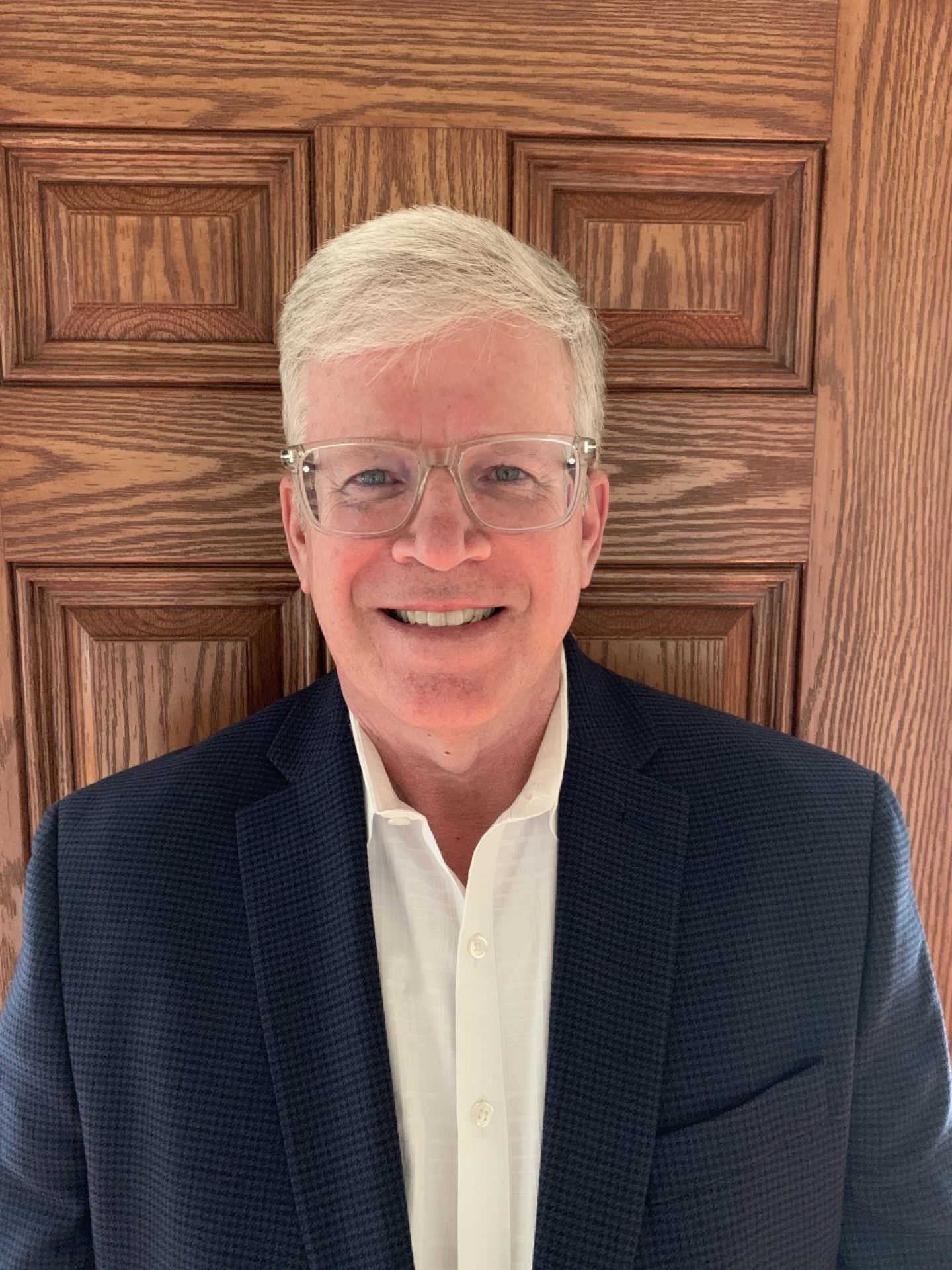
Kent Hymel, M.D.
Adjunct Professor, Pediatrics, Penn State College of Medicine (Retired)
Dr. Hymel is a board-certified Child Abuse Pediatrician and an Adjunct Professor of Pediatrics at Penn State College of Medicine. He has directed medical child abuse evaluation programs at multiple U.S. academic medical centers and is the founder and director of the Pediatric Brain Injury Research Network (PediBIRN).

Yo Jackson, Ph.D., ABPP
Professor of Psychology, Tulane University
Dr. Jackson is MPI of the TCCMS and its Administrative and Resource Cores. Dr. Jackson is a board-certified clinical child psychologist whose federally funded research focuses on the development of models of the process of resilience for youth exposed to trauma, with a specific focus on youth exposed to child maltreatment and the intergenerational transmission of trauma.